
Why Moms Suck at Recovery
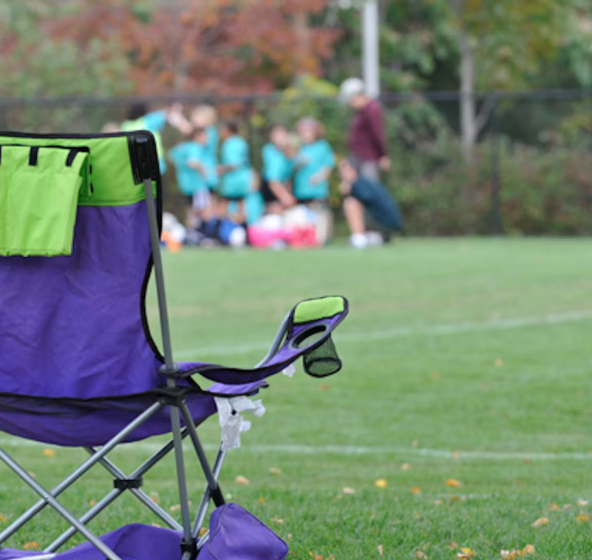
Moms are the worst at recovery. They get up early on Sunday to fit in their long run before heading to their kids’ soccer tournament, where they then proceed to spend the rest of the day on their feet, staffing the snack booth, tending to everyone else’s needs, forgetting to eat, hydrate, pee, or sit down. Then they ferry everyone home, make dinner, fill bath tubs, brush teeth, read books, pick up all the dirty socks, put in a load of dirty soccer laundry, and walk the dog before collapsing into bed, but they can’t sleep because, well, perimenopause. Can you tell me how any of that sounds like recovery?

What is Proper Recovery?
Proper recovery involves resting, refueling, hydrating, and minimizing life stress; not being the world’s best soccer mom. Most runners don’t give proper recovery enough credit until they try it. It is amazing how much more training your body can absorb when you allow yourself to recover. The very best training will not help you make fitness gains if your body can’t absorb the work you’ve done and build back stronger.
How to Recover Like the Pros
I love geeking out about running almost as much as I love geeking out about Nordic skiing. The world’s best Nordic skier, Norwegian skier Johannes Klaebo, won all 6 gold medals in Nordic skiing at the Olympics this past winter in Italy, from the sprints to the 50k. I recently watched a documentary about Klaebo that highlighted his early years, his relationship with his family, his training, and how he spends his day-to-day. There was so much footage of him sitting around on his phone that he almost seemed lazy! His dad carried his luggage around, cooked for him, did his laundry, and brought him breakfast in bed. If he wasn’t training, he wasn’t doing much of anything. That is how you recover.
Fueling
After a run of any distance, but particularly after your quality sessions and long runs, your body needs both carbs and protein; carbs to restock glycogen stores and protein to provide the amino acids needed to repair and build muscle tissue. Women in particular should aim for 30-35 grams of protein post-workout, ideally within 30-45 minutes of finishing your session. And don’t forget the carbs!
- Granola with berries and Greek yogurt
- Cottage cheese and fruit
- Smoothie with milk, Greek yogurt, fruit, nut butter and protein powder
- Eggs on toast with avocado and hummus

The timing of your post-workout fueling is super important. Even if you get sufficient calories throughout the day, if you don’t refuel properly post-workout, you can put yourself in a state of low energy availability, complete with long-term consequences to bone density, immune health, endocrine function, and reproductive health. Learn more at Post-Exercise Fueling for Women.
Hydration
Proper recovery also includes hydration. Slow, steady sipping of an electrolyte drink mix for several hours post-workout will help replace fluids lost through sweat. Alcohol is not your friend when it comes to recovery, leading to dehydration, impaired muscle repair and growth, hormone disruption, and poor sleep quality.
Rest
The next part of recovery may be the hardest part for many women – resting. That means, sit down, put your feet up, and rest! Read a book, watch a movie, take a nap (professional endurance athletes are master nappers), take up knitting (a favorite pastime of another famous Nordic skier, Ben Ogden), or catch up on emails. Things not to do? All day soccer tournaments, hardcore gardening, cleaning out the garage, mowing the lawn, back-to-school shopping, or hosting birthday parties. These are all things I have done after my long run, so I totally get that sitting around on the couch all afternoon is rarely realistic. All the more reason to make sure you fuel and hydrate properly post workout and get a solid 8-9 hours of sleep at night (seriously!).
Now…
Take what you have learned here, and treat yourself like a pro. Eat, hydrate, rest, and sleep. And bring a chair to the next soccer tournament. You deserve it!