
The 4 P’s: Plantar Fasciitis, Perimenopause, Patience and Permaculture
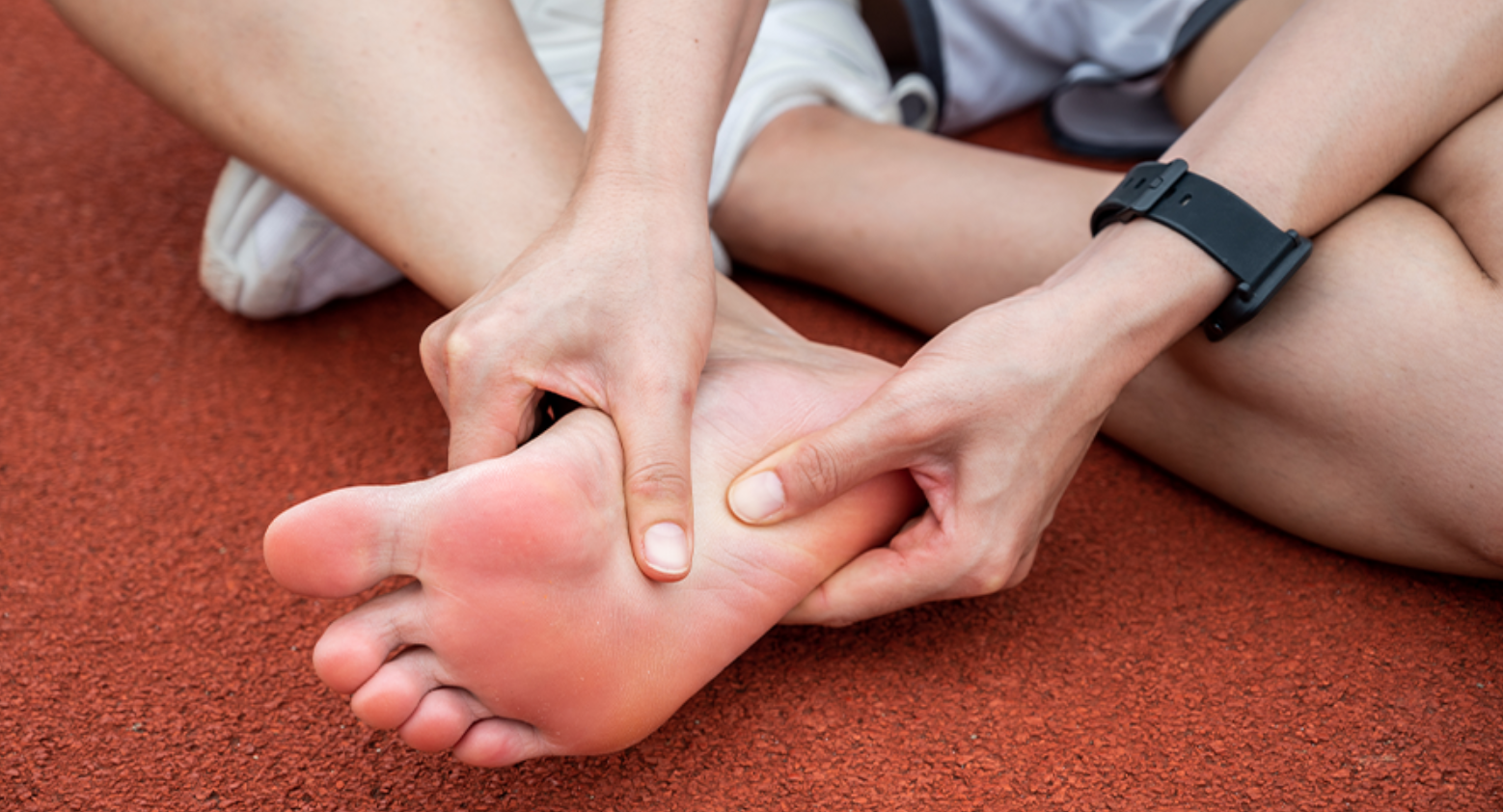
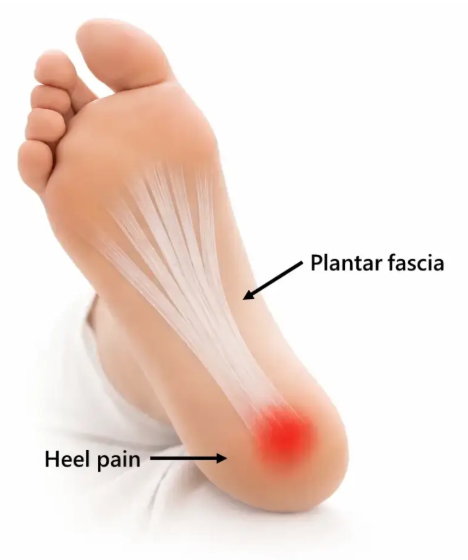
I have been working through plantar fasciitis for 10 months now. I have dealt with sore feet after long runs for a few years, but things really hit the fan last summer when I was in the thick of marathon training. It was during a 14-mile long run that what had been confined to the morning ‘hobbly feeling’ that would go away with a little stretching became an entirely different beast. I should have called it a day when the ‘hobbly feeling’ didn’t go away after my warm-up. But, like all delusional distance runners, I hoped it would just go away. Fourteen miles later, I had point tenderness on the bottom of my heel. Later that afternoon, I could barely walk.
What Did Not Help…
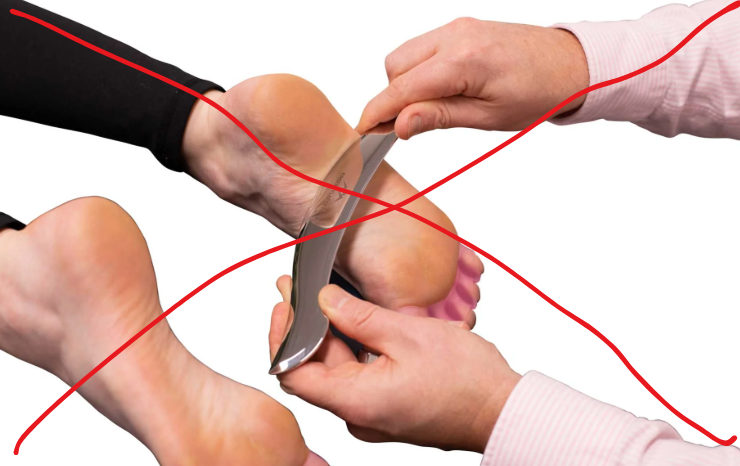
A few days off, scraping, rolling, frozen water bottles, wrapping, recovery shoes, a few more days off, running every other day, running on trails, running on roads, plyos, speed work, collagen, massage, dog walks, online ‘quick fix’ programs, new shoes, and my ‘must run’ mindset.
Mindset
The most effective change I made was a change in attitude. For years, I had been driven by a daily need to run. There was no substitute. Changing my ‘must run’ mindset put me on the path to recovery. And, it was the start of a much healthier relationship with running.
After several months of stubbornly continuing to run, I realized I had to embrace cross-training. I was already strength training, so I committed to 2-3 quality sessions each week. I am lucky enough to live just down the road from some amazing mountain biking trails, so I started biking. It quickly became apparent that biking was a good choice. My best guess is that something about the increased circulation that comes with exercise without any direct pressure on my heel was, in fact, healing. So I added mountain biking two days per week. Long uphill climbs met my mental and physical need for sustained aerobic effort. Then I added a day of indoor rowing, usually with some speed intervals added in. Rowing intervals were a good substitute for high-intensity running. I found that the variety inherent in cross-training was good for my foot and my mental outlook. And my body felt good.
The Nitty Gritty
Once I had embraced cross-training, I was better able to accept the long-term nature of plantar fasciitis. It was apparent that, in my case, quick fixes were not going to get me anywhere. Plantar fasciitis is most common in women between the ages of 40 and 60 (I am smack dab in the middle). These are the perimenopause and menopause years. Hormones are changing with many effects on female athletes. A quick Google search will tell you that plantar fasciitis is linked to fluctuating and falling hormone levels during perimenopause and menopause. So, patience. Patience and a good physical therapist.
I started working with Danielle Kroot of Starting Line Physical Therapy in Portland, ME. Danielle works specifically with runners and has helped many runners work through plantar fasciitis. The beauty of working with a PT who only works with runners is that they understand the runner’s mindset. Danielle understood that we needed to figure out just how much load my feet could take without causing more damage to the plantar fascia. We slowly began to tease apart the specifics of my foot mechanics and figure out how my movement affected the fascia. She gave me specific exercises both to strengthen my feet AND to adjust my individual movement mechanics. Dry needling helped, too. Slowly, slowly, slowly, I began to experience gains.

But Permaculture?
What does permaculture have to do with all of this? Permaculture is a design science that helps us craft sensible, sustainable, and resilient ways of living. Sound like my healing process? Sensible, sustainable, and resilient. One of the tenets of permaculture is the idea that the problem is the solution. By taking a different approach, we can use a perceived obstacle as a positive attribute instead. In my case, plantar fasciitis forced me to change my ‘must run’ mindset, embrace cross-training, focus on strength training, and ultimately build a stronger and more resilient body.

The Solution
I am still building up my miles. I am currently running 3-4 days a week and strength training 2-3 days per week. I am four weeks into a 7-week speed development program designed to focus on neuromuscular adaptations, running form, and fitness, so when I can get back to bigger miles, I will be faster. I bought a mountain bike and am looking forward to the trails opening as soon as April is done being April. I take the time to stretch before I get out of bed in the morning. I can walk barefoot on my wood floors and land heel first. I am not pain-free, but I am headed in the right direction.